For many homeowners, having a private well is a great way to access fresh water without relying on city supplies. But well water isn’t automatically clean or safe—it often contains minerals, bacteria, and other contaminants that can affect health, taste, and even your plumbing. That’s where well water treatment systems come in.
This guide explains what these systems are, why they matter, the types available, and how to choose the right solution for your home.
Why Well Water Needs Treatment
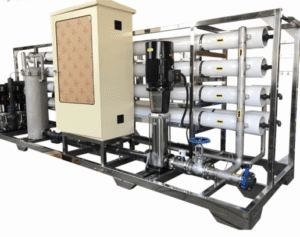 Unlike municipal water, which is filtered and tested before it reaches homes, well water comes straight from the ground. While natural filtration through soil and rock removes some impurities, many wells still contain:
- Iron and manganese (cause staining and metallic taste)
- Sediment (cloudy water, clogged plumbing)
- Bacteria and viruses (can lead to illness if untreated)
- Hard water minerals like calcium and magnesium (damage pipes and appliances)
- Sulfur (causes “rotten egg” smell)
Without proper treatment, these issues can harm your health and home. So call us today for expert well water treatment services.
Benefits of Installing Well Water Treatment Systems
- Safe Drinking Water – Removes harmful bacteria, chemicals, and contaminants.
- Better Taste & Smell – No more metallic or sulfur odors.
- Protects Plumbing & Appliances – Reduces scale buildup and rust stains.
- Saves Money – Lowers bottled water costs and appliance repairs.
- Peace of Mind – Confidence that every faucet delivers clean water.
Common Types of Well Water Treatment Systems
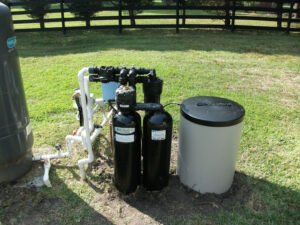
Different homes need different solutions, depending on water quality. Here are the most common types:
1. Water Softeners
Best for: Hard water with calcium and magnesium.
- Extends appliance life.
- Prevents scale buildup in pipes.
Get professional water softener installation.
2. Iron & Manganese Filters
Best for: Water that causes reddish stains or metallic taste.
- Removes iron and manganese particles.
- Keeps laundry and fixtures stain-free.
Learn more about our Iron-Out Systems Installation.
3. Sediment Filters
Best for: Cloudy water or sand in pipes.
- Captures dirt, grit, and debris.
- Protects other filters from clogging.
4. Activated Carbon Filters
Best for: Chlorine, pesticides, or foul odors.
- Improves taste and smell.
- Reduces chemical exposure.
5. UV Purification Systems
Best for: Bacteria and viruses.
- Uses ultraviolet light to disinfect water.
- Chemical-free and eco-friendly.
6. Reverse Osmosis (RO) Systems
Best for: Removing nearly all contaminants.
- Provides bottled-water quality.
- Often paired with other filters for whole-house treatment.
How to Choose the Right System
- Test Your Well Water – Professional water testing identifies what’s in your supply.
- Match System to Problem – For example, iron filters for staining, softeners for hard water.
- Consider Whole-House vs. Point-of-Use – Whole-house systems treat every tap, while point-of-use (like under-sink RO) targets one location.
- Work with Professionals – Installation and maintenance are key to long-term performance.
Costs of Well Water Treatment Systems
The price depends on the type and size of the system:
- Basic sediment filters: $300 – $600
- Water softeners: $1,200 – $2,500
- Iron filters: $1,500 – $3,000
- UV systems: $800 – $1,800
- Whole-house reverse osmosis: $4,000 – $8,000
Investing in the right system now can save thousands in plumbing repairs, bottled water, and appliance replacements later.
Maintenance: Keeping Your System Running
- Replace filters as recommended (every 6–12 months).
- Annual inspections ensure parts are working properly.
- Water retesting helps catch changes in well quality over time.
Professional maintenance by Advanced Well Drilling & Water Solutions LLC keeps your system efficient and worry-free.
Why Work with Advanced Well Drilling & Water Solutions LLC?
We specialize in water solutions designed for Florida homeowners, including:
- Comprehensive water testing
- Expert installation of well water treatment systems
- Ongoing service and maintenance
- Honest pricing and local expertise
When your family’s health and comfort are at stake, trust a team that understands both wells and water.
Conclusion
A private well is a great resource—but only if the water is safe. With the right well water treatment system, you’ll enjoy fresh, clean water from every faucet in your home. From removing harmful bacteria to protecting your appliances, these systems are one of the smartest investments you can make.
👉 Ready for safe, clean water in your home? Contact Advanced Well Drilling & Water Solutions LLC today to schedule a water test and explore the best treatment system for your needs.
FAQs About Well Water Treatment Systems
How often should I test my well water?
At least once a year—or anytime you notice changes in taste, smell, or color.
Can one system remove all contaminants?
Not usually. Many homes use a combination (e.g., softener + UV filter) for complete protection.
Do well water treatment systems require electricity?
Some (like UV and softeners) do, while sediment and carbon filters usually don’t.
How long do systems last?
Most last 10–15 years with proper maintenance and filter changes.
Is bottled water safer than treated well water?
With the right system, treated well water is just as safe—often fresher and more cost-effective.